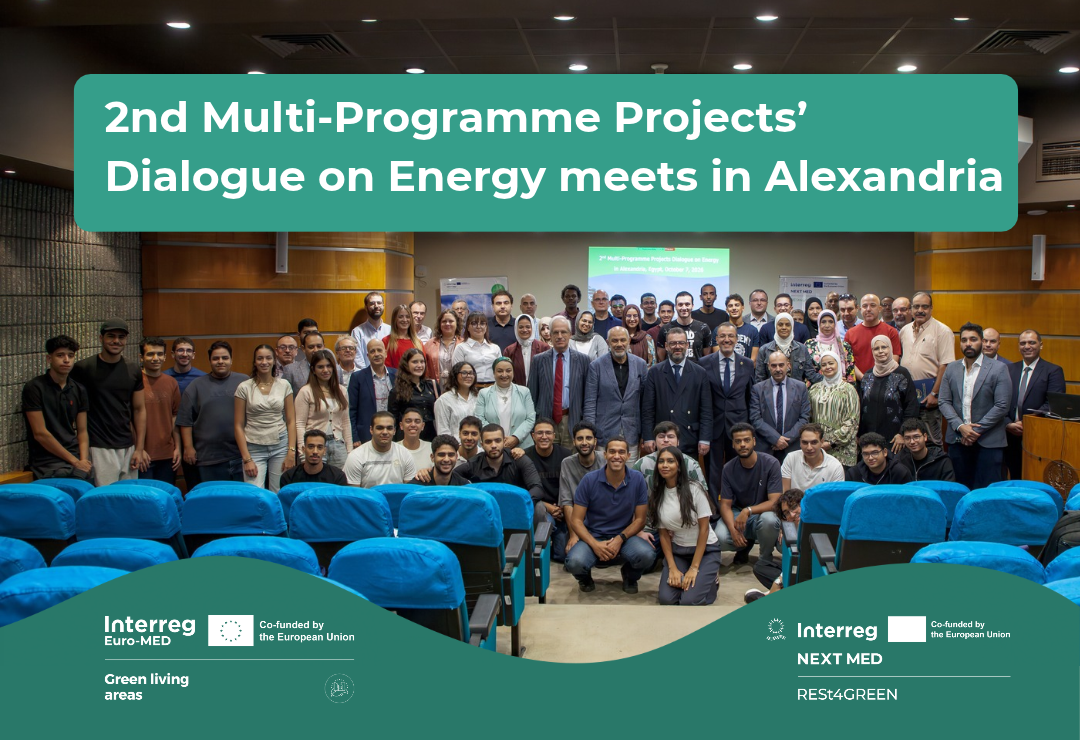

On 7 October 2026, more than 110 stakeholders gathered in Alexandria, Egypt, for the 2nd Multi-Programme Projects’ Dialogue on Energy, exploring how European cooperation projects can support the Mediterranean energy transition and contribute to future policies and investments.
Organised by RESt4GREEN (Interreg NEXT MED) and Dialogue4LivingAreas, coordinated by the University of Patras and hosted by the Arab Academy for Science, Technology and Maritime Transport (AASTMT), the event brought together policymakers, researchers, energy agencies, local authorities and project representatives.
Building on the first edition held in Tunisia in May 2026, the Dialogue focused on moving from knowledge exchange towards concrete action, particularly in view of the Pact for the Mediterranean and the next EU Multiannual Financial Framework (2028–2034).
Strengthening cooperation across the Mediterranean
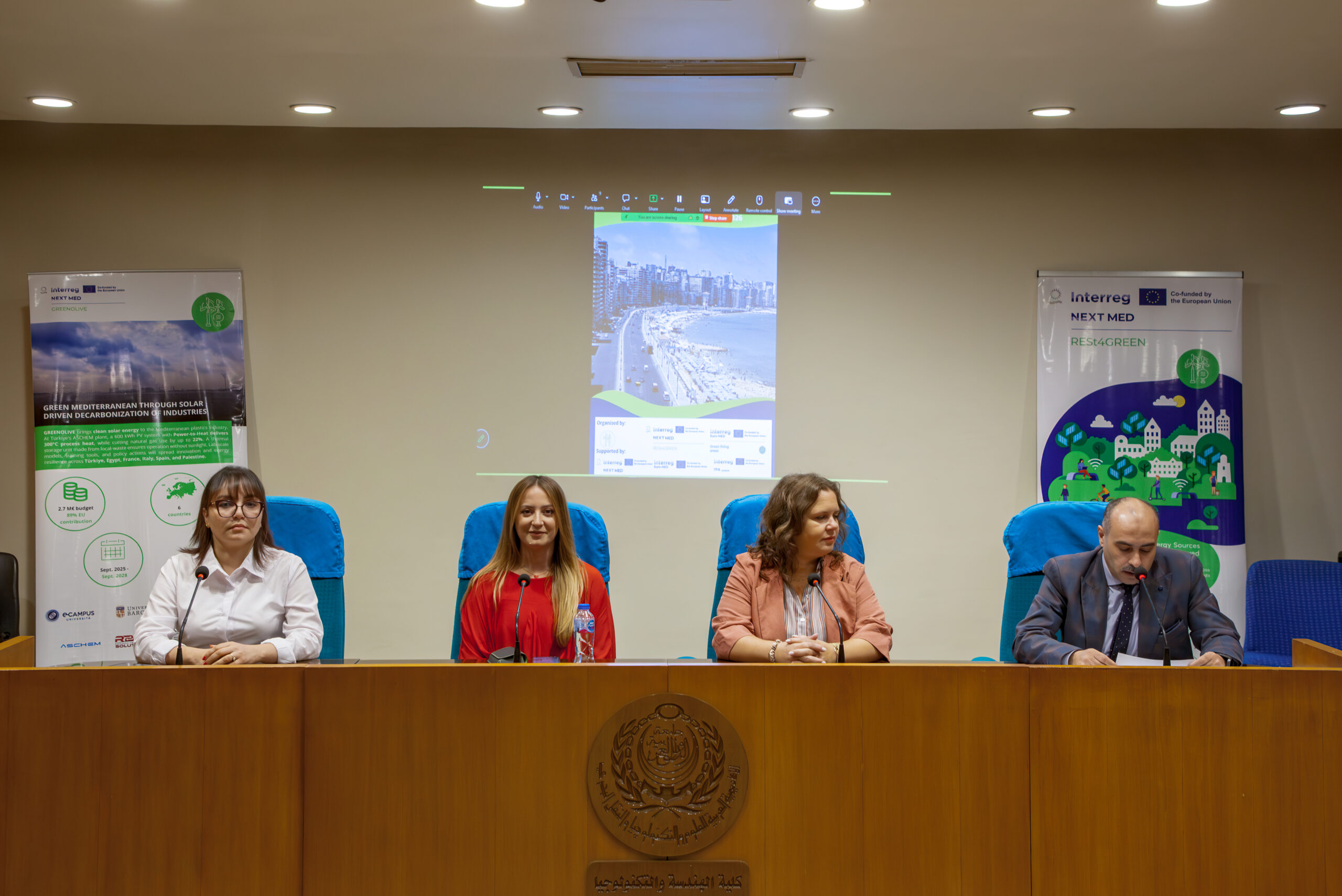
Tunis to Alexandria Panel
The event opened with reflections on the achievements of the first Multi-Programme Project Dialogue and the importance of strengthening cooperation between the northern and southern shores of the Mediterranean.
Discussions explored Egypt’s energy and climate transition, addressing challenges and opportunities related to carbon markets, sustainable ports, solar energy and international partnerships.
Speakers highlighted the importance of reliable data, adequate infrastructure and stronger collaboration in addressing the region’s shared energy and climate challenges.
Turning project results into policy change
A central part of the Dialogue focused on translating the results of European cooperation projects into lasting policy changes, addressing four interconnected themes: governance, financing, knowledge transfer and policy uptake.
The Green Living Areas Mission contributed to these discussions by showcasing initiatives designed to support local and regional authorities in their transition towards more sustainable territories.
Bernard Massabo, representing D4LA, presented the Institutional Policy Dialogue and the EUCLID Policy Hub as instruments for connecting tested solutions with Mediterranean decision-makers.
Hrvoje Maras, from the North-West Croatia Regional Energy Agency (REGEA), introduced the Ecosystemic Transition Hub, which supports local authorities in identifying and implementing proven green-transition solutions.
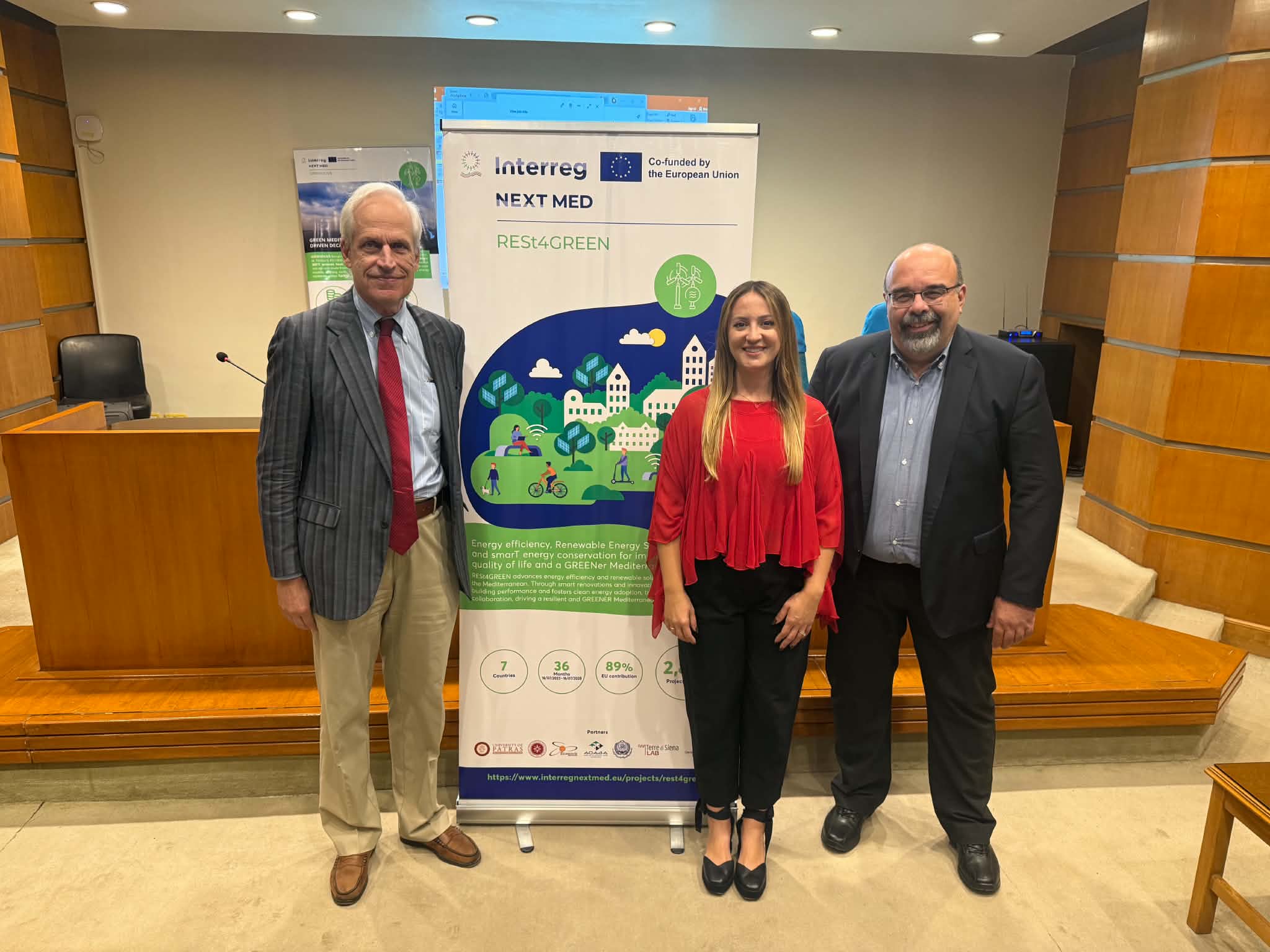
UPatras
Other contributions explored innovative financing mechanisms, green public procurement and practical solutions developed through European projects, including solar energy systems, smart monitoring and energy efficiency improvements.
The discussions demonstrated that Mediterranean cooperation projects have already generated valuable knowledge and tested solutions. The next challenge is ensuring their wider adoption through public policies and investment strategies.
Looking ahead to the future of Mediterranean cooperation
The Dialogue also addressed the future of European territorial cooperation, particularly in the context of the proposed EU budget for 2028–2034.
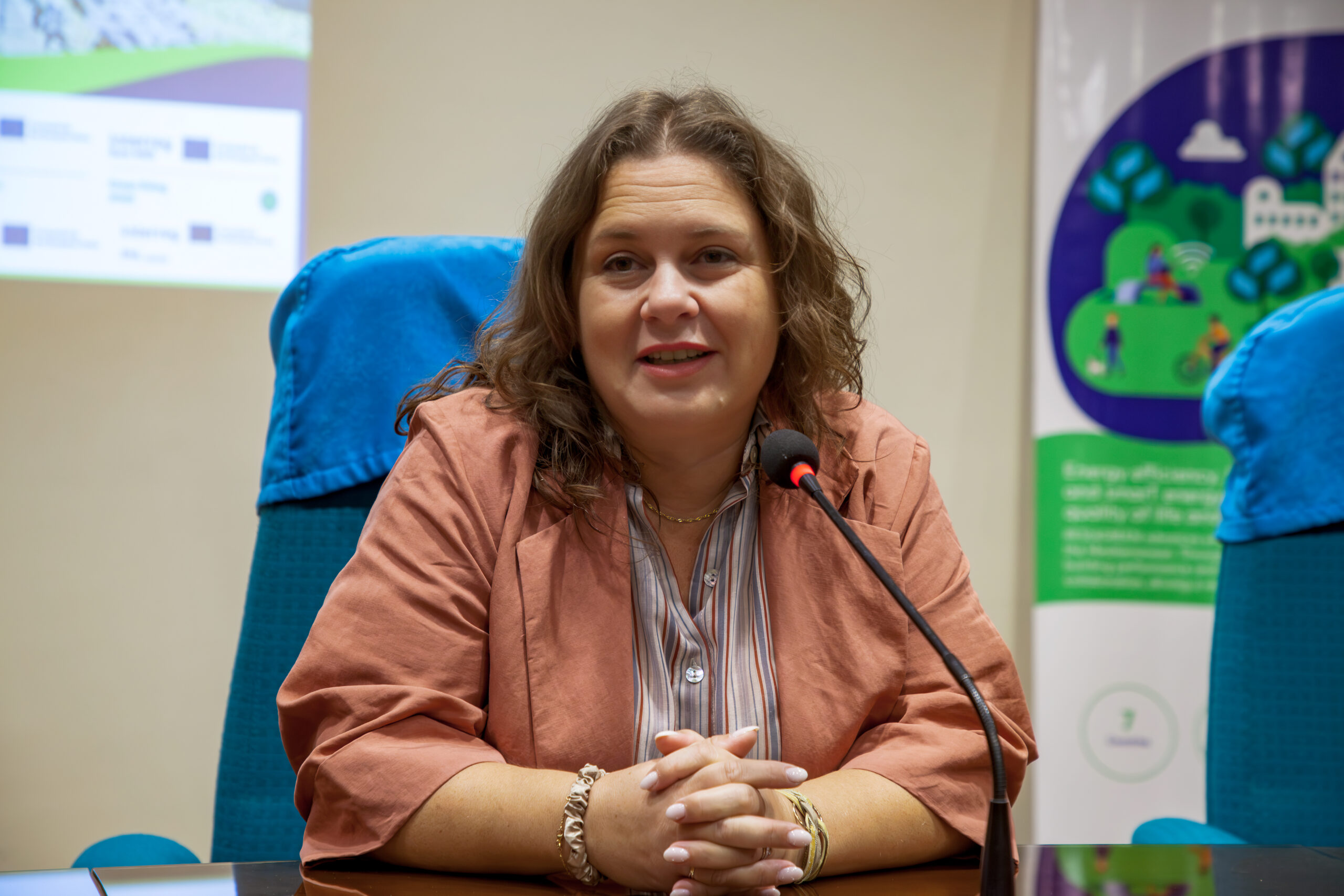
Sophie Scarveli
Sophie Scarveli, from the Interreg Euro-MED Programme, highlighted the expected continuation of Interreg beyond 2027, with approximately €10 billion foreseen, and identified water, energy and climate as likely priorities for the next programming period. She emphasised the importance of ensuring that project results remain accessible and useful beyond individual funding cycles.
In this context, the governance projects of the Green Living Areas Mission, including Dialogue4LivingAreas and Community4LivingAreas, play an important role in connecting project results with policymakers and local authorities.
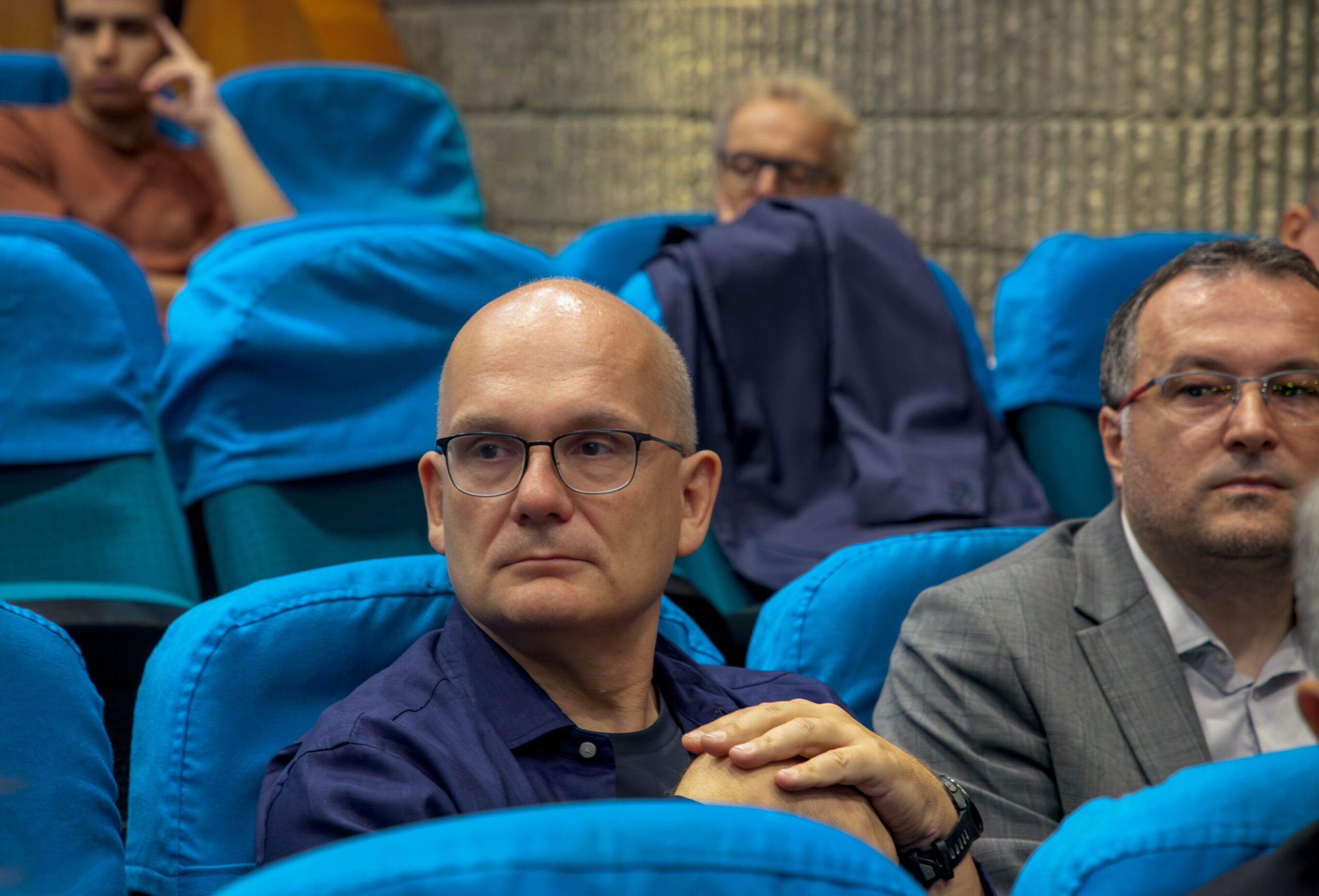
Dr Julije Domac
The Local Energy Transition Integrated Support Framework developed by LOGREENER, now proposed to the Covenant of Mayors, was presented as an example of how project solutions can be transferred and replicated across different territories.
Dr Julije Domac, Managing Director of REGEA and President of FEDARENE, also stressed the importance of turning policies into concrete investments, highlighting successful experiences in combining smaller projects into larger investment opportunities.
From dialogue to joint action
The event concluded with interactive discussions on the future of Mediterranean cooperation, identifying several priorities: stronger partnerships between both shores of the Mediterranean, better connections between existing solutions and local needs, improved financing mechanisms, and integrated approaches to energy, water and climate resilience.
The outcomes of the Alexandria Dialogue will feed into further exchanges at the Interreg Euro-MED Mid-Term Event in Marseille, on 25–26 November 2026.
The initiative will then continue with a third Multi-Programme Projects’ Dialogue on Energy planned in Jordan, further strengthening cooperation and knowledge exchange across the Mediterranean.