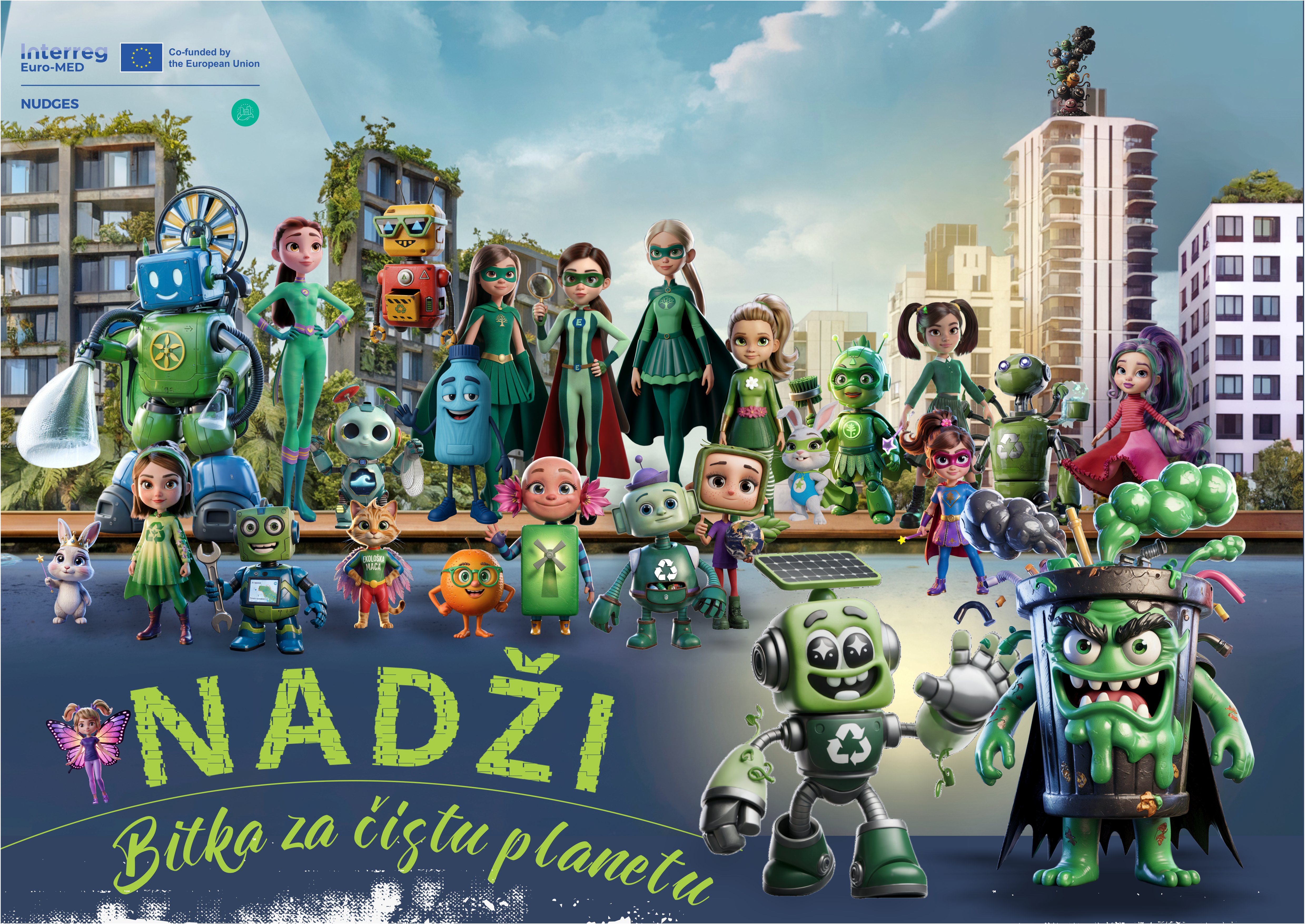

Climate policies often focus on infrastructure, technology, and regulation. Yet one of the greatest challenges that cities face today is not whether sustainable solutions exist, but whether people choose to embrace them in their everyday lives.
A new policy brief developed within the Institutional Dialogue Project of the Green Living Areas Mission highlights how behavioural science and cultural engagement can help bridge this gap. Drawing on the experience of the Interreg Euro-MED NUDGES project, the brief demonstrates that small, carefully designed interventions—known as behavioural and cultural nudges—can significantly strengthen citizen engagement and make climate action more tangible, personal, and lasting.
Making climate action part of everyday life
 Across the Mediterranean, citizens increasingly recognise the urgency of climate change, but awareness alone rarely translates into lasting behavioural change. The policy brief argues that climate governance must go beyond informing people and instead create environments that naturally encourage sustainable choices.
Behavioural nudges work by subtly adapting the way choices are presented, making climate-friendly behaviours easier and more intuitive without restricting individual freedom. The NUDGES project expands this concept further by combining behavioural insights with multisensory experiences and local cultural traditions, helping citizens connect emotionally with climate challenges through sight, sound, smell, taste, and touch.
Rather than treating climate action as an abstract global issue, these approaches bring sustainability into daily routines, public spaces, schools, and community life.
Six Mediterranean pilots, one shared lesson
 The recommendations build on six pilot actions implemented across Bosnia and Herzegovina, Bulgaria, Greece, Italy, Slovenia and Spain. Although each pilot explored different sensory experiences and cultural contexts, they all reached a similar conclusion: people are more willing to change their behaviour when climate messages are emotionally meaningful and rooted in local identity.
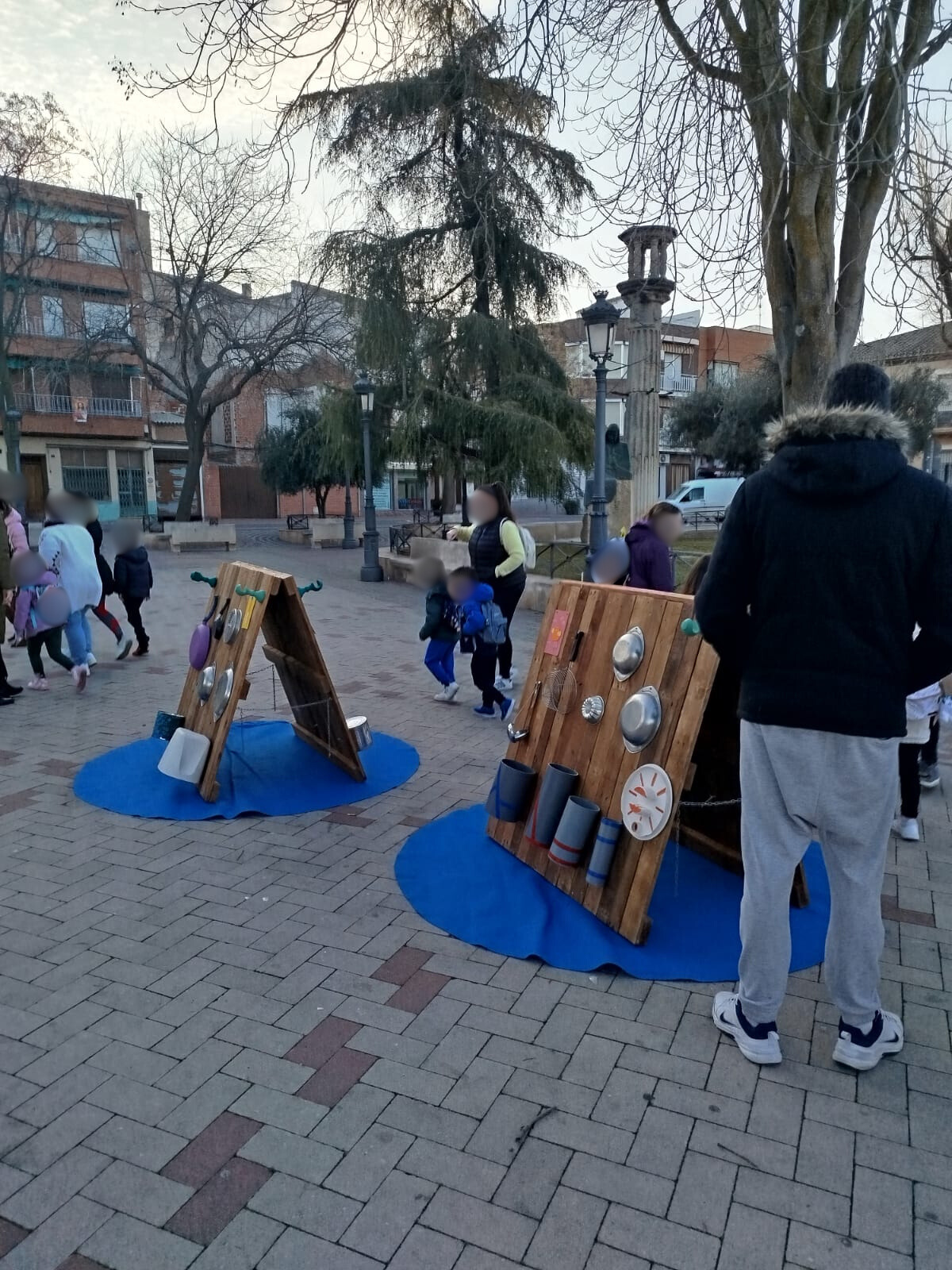
From sound-based mobility initiatives encouraging children to walk to school in Spain, to taste-based activities reconnecting communities with sustainable food traditions in Greece, and creative artistic workshops making environmental issues tangible in Italy, the pilots showed that behavioural interventions can strengthen participation while fostering long-term ownership of climate policies.
Importantly, the project also demonstrated the value of involving schools, families, artists, cultural organisations, NGOs and municipalities in designing these interventions together. This Living Lab approach not only increases legitimacy but also creates opportunities for behavioural change to spread naturally across generations and communities.
Turning successful pilots into public policy
 While the pilots confirmed the effectiveness of behavioural and cultural nudges, the policy brief stresses that isolated projects are not enough.
Many local authorities still lack the internal expertise, governance structures and monitoring tools needed to systematically integrate behavioural approaches into climate policy. Administrative fragmentation, limited resources and the absence of shared evaluation frameworks continue to prevent successful experiments from becoming mainstream practice.
To address these challenges, the policy brief proposes a roadmap for institutionalising behavioural governance across Mediterranean territories.
Among its key recommendations are the following:
- Integrating behavioural and cultural approaches into existing climate strategies, mobility plans, adaptation policies and public-space initiatives.
- Supporting modular, low-cost experimentation that allows cities to test and refine interventions before scaling them up.
- Investing in capacity-building so municipal staff, educators and cultural mediators can confidently design and evaluate behavioural initiatives.
- Embedding climate action within local cultural identity through heritage, artistic practices and community narratives.
- Strengthening Living Labs and participatory governance models that bring together citizens, public authorities, researchers and civil society.
- Developing common behavioural indicators to monitor long-term impacts and support evidence-based policymaking.
- Recognising behavioural innovation within regional and national funding programmes to ensure continuity beyond individual projects.
Together, these measures would help cities move from one-off awareness campaigns towards permanent behavioural governance frameworks that complement traditional climate policies.
A human-centred pathway for the Mediterranean green transition
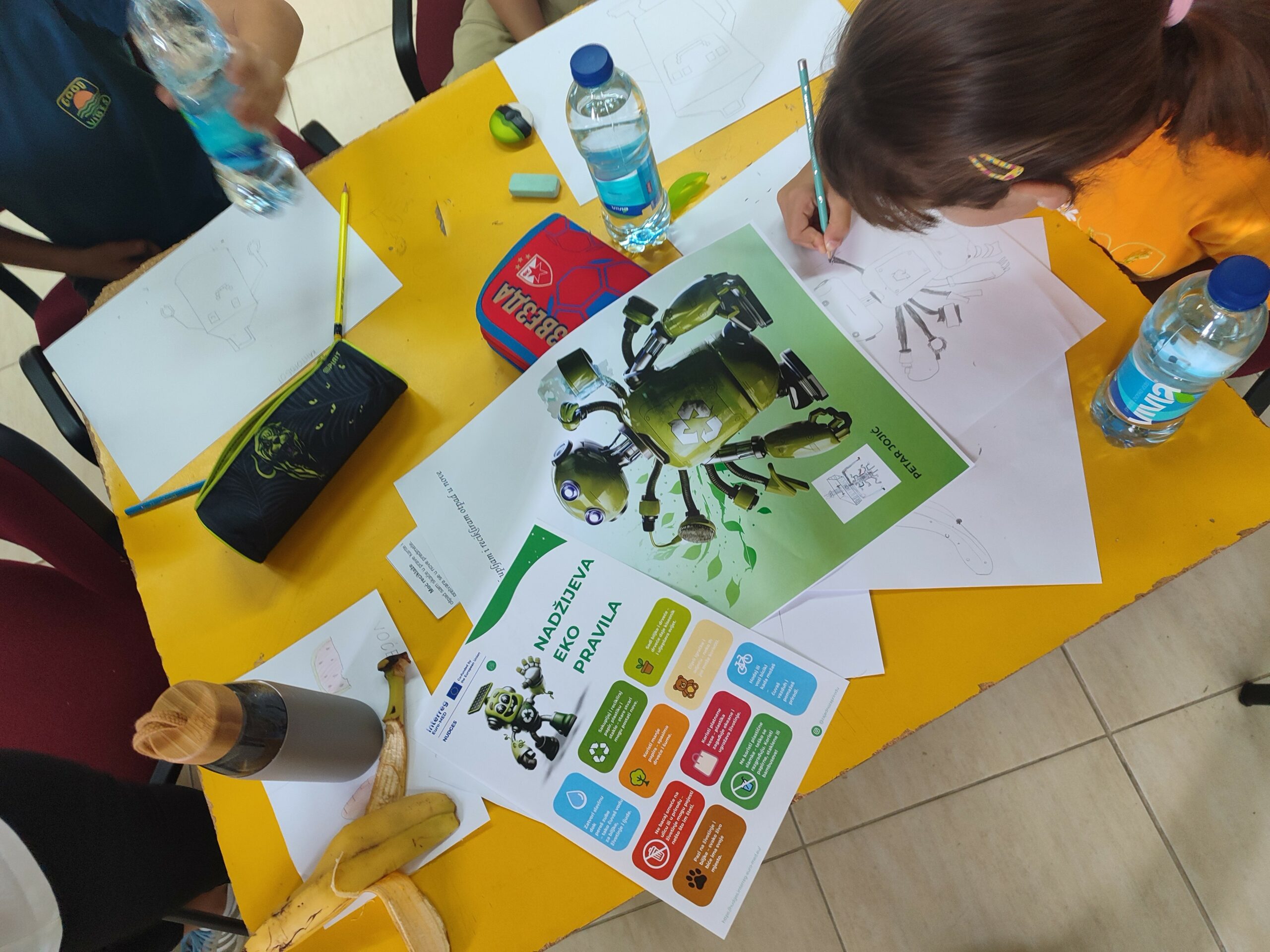 One of the strongest messages emerging from the NUDGES experience is that climate action is ultimately about people.
Infrastructure, regulations and technological innovation remain essential, but lasting change depends equally on emotions, habits, culture and community participation. Behavioural and cultural nudges offer municipalities a practical, affordable and highly adaptable way to strengthen these human dimensions of the green transition.
As Mediterranean regions continue implementing ambitious climate strategies, integrating behavioural design into governance can help ensure that citizens are not simply informed about sustainability; they become active participants in shaping it.
The Institutional Dialogue Project of the Green Living Areas Mission continues to support this policy exchange by identifying innovative approaches with strong transfer potential across the Mediterranean. The NUDGES Policy Brief provides a valuable example of how behavioural innovation can become a permanent component of more inclusive, participatory and effective climate governance.