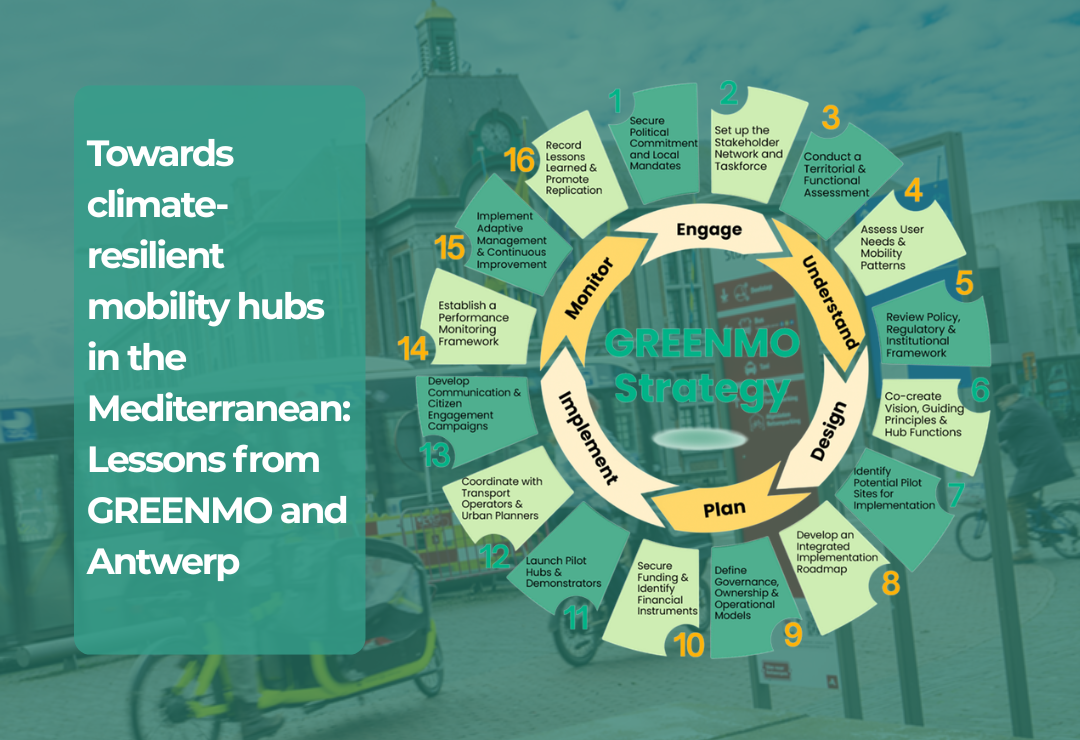

How can Mediterranean cities and regions accelerate the shift towards sustainable, inclusive and climate-resilient mobility systems? The latest policy brief developed within the Green Living Areas Mission explores how mobility hubs can become catalysts for greener mobility across the Mediterranean. The brief builds on the outcomes of the 2nd Institutional Policy Dialogue, held in Brussels in October 2025, and on the work developed by the GREENMO project and the Belgian city of Antwerp. 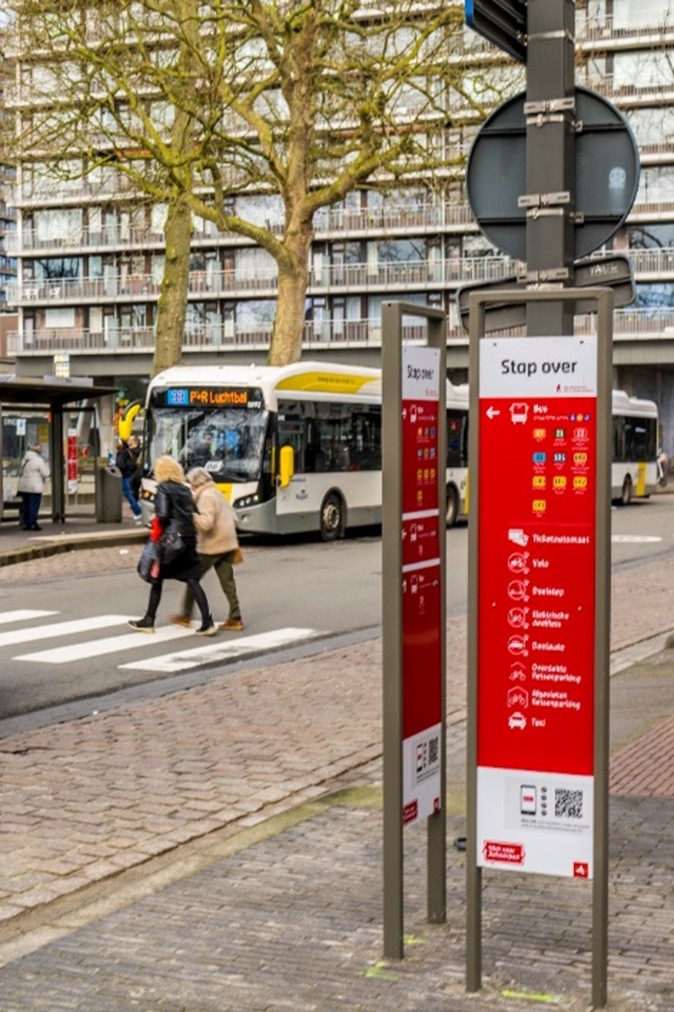
The context
Mobility hubs are increasingly recognised as key tools to reduce car dependency, improve first- and last-mile connectivity and support accessible transport solutions. However, while such hubs are already widespread in parts of Central and Northern Europe, Mediterranean territories face specific challenges linked to fragmented governance, seasonal tourism, infrastructure gaps and climate conditions. This policy brief addresses these challenges by presenting practical recommendations tailored to the Mediterranean context.
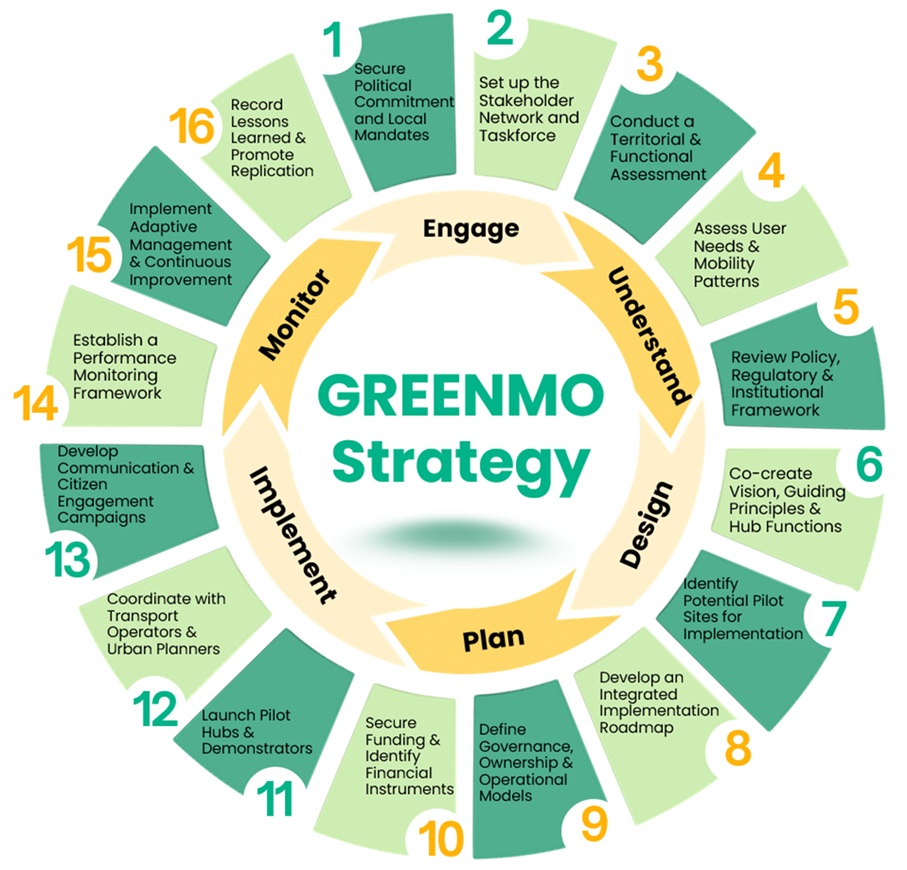
The document highlights the GREENMO Strategy, a framework developed through participatory processes in six Mediterranean countries to support policymakers and planners in designing, implementing and monitoring green and inclusive mobility hubs. The GREENMO Strategy provides a set of guidelines specifically targeted to the Mediterranean areas. In fact, the Strategy was specifically developed by taking into consideration the characteristics of such regions, namely: climate conditions and rising temperatures; fragmented mobility networks with limited coverage of public transport; seasonal demand due to tourist flows.
It also draws inspiration from Antwerp’s “Smart Links” initiative, showcasing how integrated governance, strong branding and citizen engagement can support the successful deployment of mobility hubs at scale.
Key recommendations
Among the key recommendations presented in the brief are the following:
- Designing mobility hubs with flexible and climate-responsive infrastructure;
- Expanding shared mobility options and multimodal services;
- Strengthening cooperation between municipalities, transport operators and private stakeholders;
- Ensuring accessibility, safety and comfort for all users;
- Involving citizens and local communities throughout the planning and implementation process.
By combining practical lessons, policy dialogue outcomes and stakeholder perspectives, the brief provides Mediterranean local and regional authorities with actionable guidance to develop mobility hubs adapted to local realities and citizens’ needs. Ultimately, it reinforces the role of mobility hubs as community-oriented spaces that support social inclusion, climate resilience and sustainable urban development.