The D4LA Policy Briefs present the key insights, outcomes, and recommendations emerging from the Institutional Policy Dialogues carried out within the Green Living Areas Mission. Developed through exchanges among policymakers, experts, project partners, and stakeholders, these briefs address critical challenges and opportunities related to the green transition across Mediterranean territories. By translating dialogue outcomes into practical lessons, policy solutions, and actionable recommendations, they support decision-makers in designing and implementing more effective, integrated, and sustainable policies. With a particular focus on stakeholder engagement, integrated planning, and alignment with European policy objectives, the briefs also provide valuable guidance for policy replication and adaptation in other regions, contributing to greener, more resilient, and inclusive living areas.
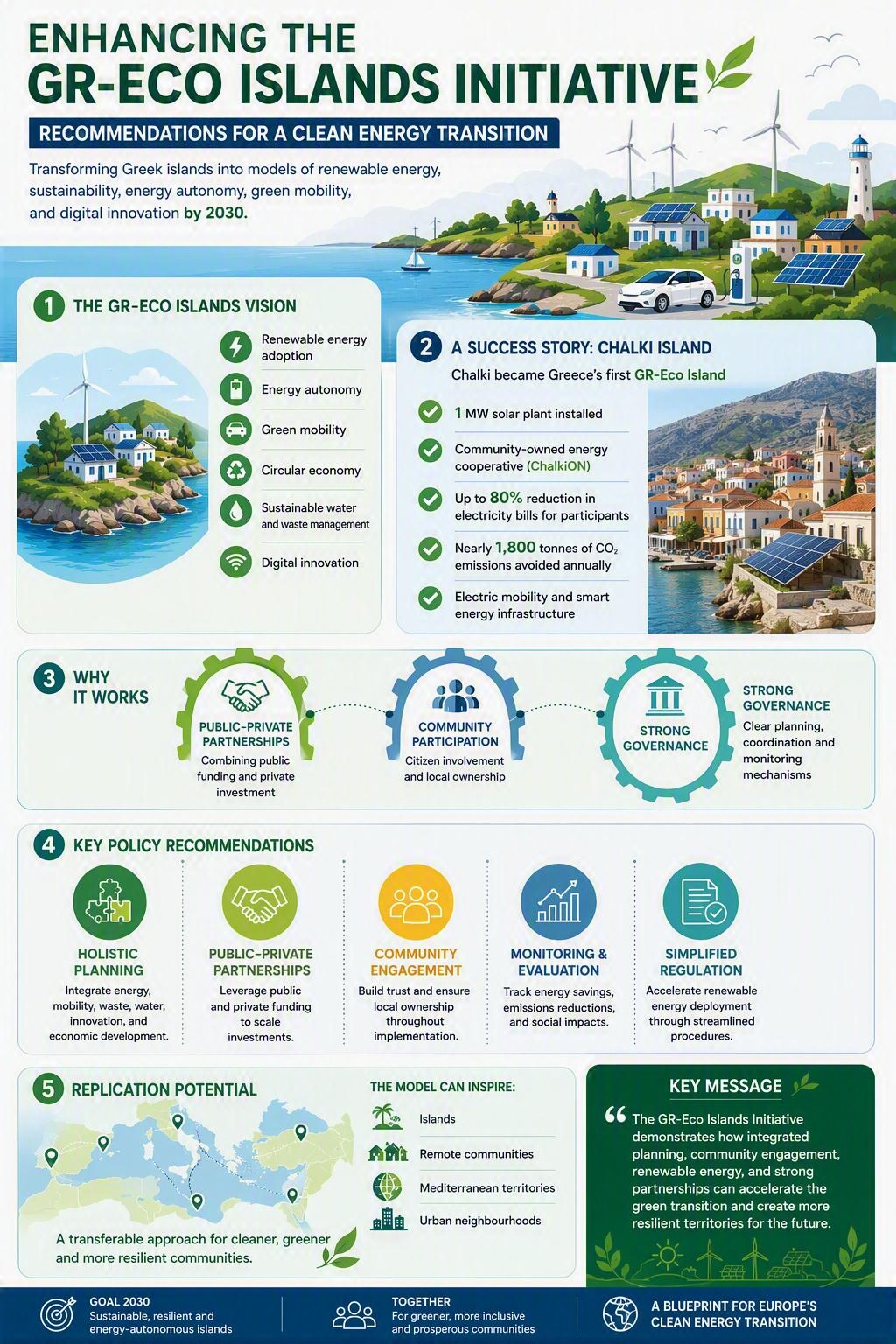
Policy Brief 1: Enhancing the GR-Eco Islands Initiative: Recommendations for a Clean Energy Transition
The policy brief explores how Greece is transforming its islands into models of sustainability through renewable energy, energy autonomy, green mobility, and digital innovation. Drawing on lessons from pioneering islands such as Chalki, the policy brief highlights practical recommendations for replicating this integrated approach across Mediterranean territories, with a strong focus on community engagement, public-private partnerships, and climate resilience.
Full policy brief available here:
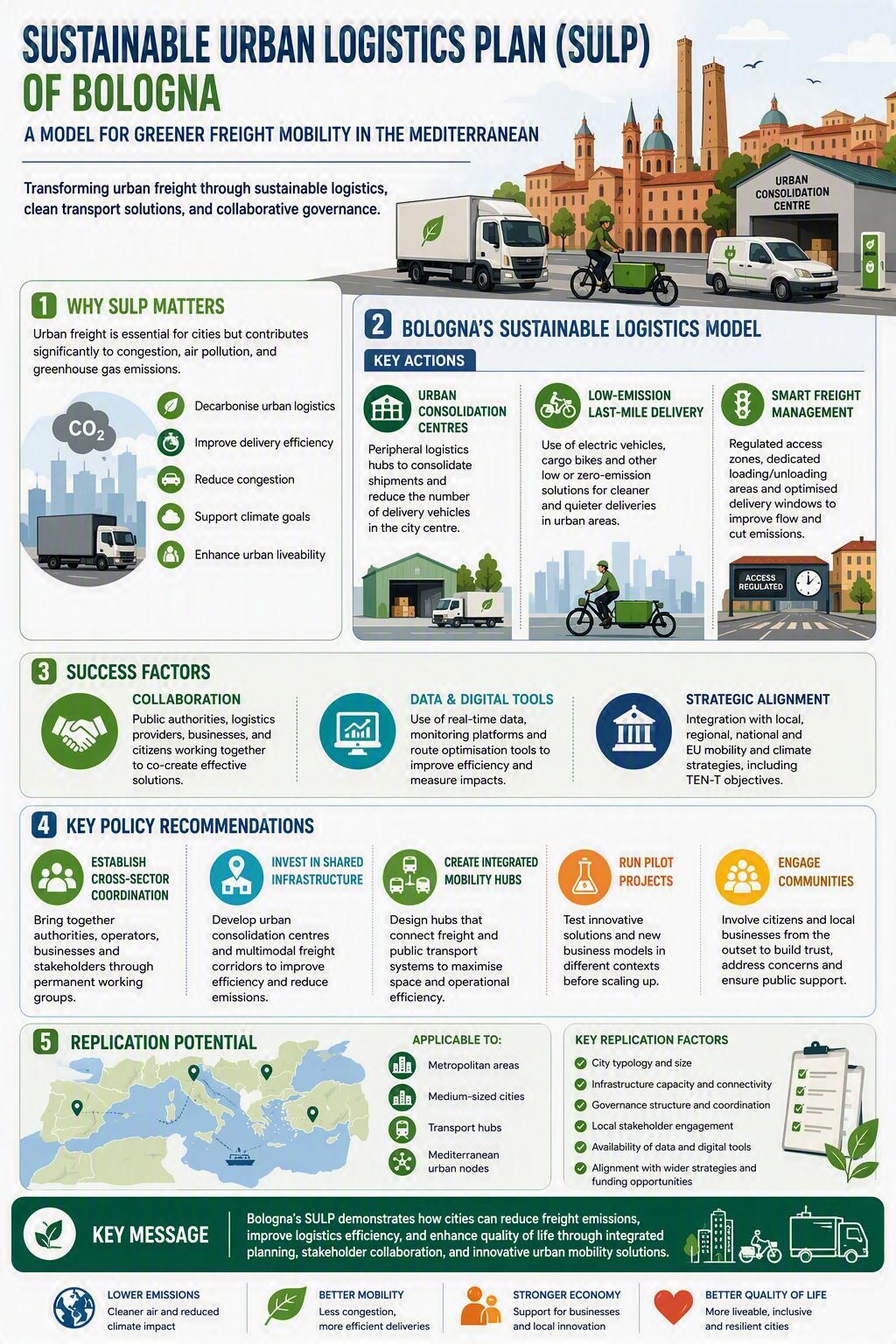
Policy Brief 2: Sustainable Urban Logistics Plan (SULP) of Bologna as a Model for Greener Freight Mobility in the Mediterranean
The policy brief showcases how cities can make urban freight transport more sustainable, efficient, and climate-friendly. Drawing on the experience of one of Europe’s leading urban logistics initiatives, the policy brief presents practical recommendations for reducing emissions, improving last-mile deliveries, fostering public-private collaboration, and integrating logistics into broader mobility and climate strategies. It also provides valuable guidance for Mediterranean cities seeking to replicate and adapt Bologna’s successful approach to greener freight mobility.
Full policy brief available here:
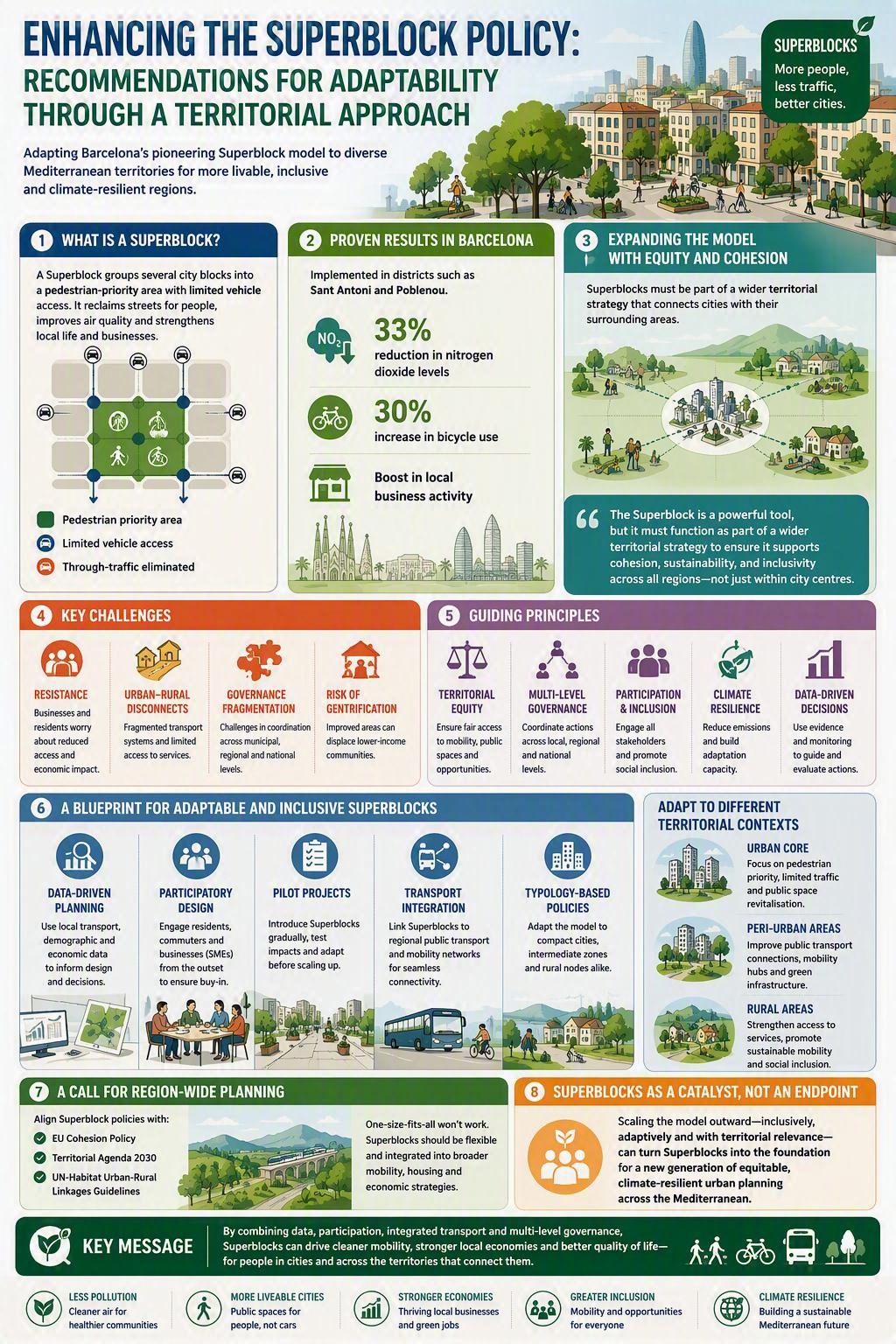
Policy Brief 3: Enhancing the Superblock Policy: Recommendations for Adaptability Through a Territorial Approach
The policy brief explores how Barcelona’s pioneering Superblock model can be adapted and replicated across diverse Mediterranean territories. Building on the success of pedestrian-priority neighbourhoods that promote sustainable mobility, public space regeneration, and improved air quality, the brief provides practical recommendations for tailoring the approach to different urban, peri-urban, and rural contexts. It highlights the importance of data-driven planning, stakeholder participation, transport integration, and multi-level governance to ensure that Superblock policies contribute to territorial cohesion, social inclusion, and climate resilience across regions.
Full policy brief available here:
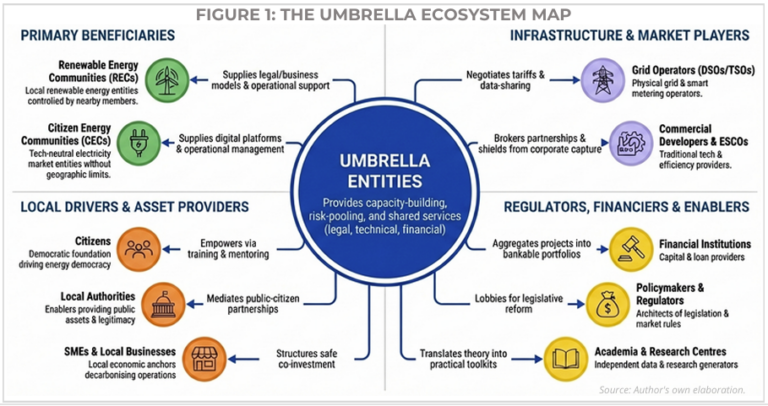
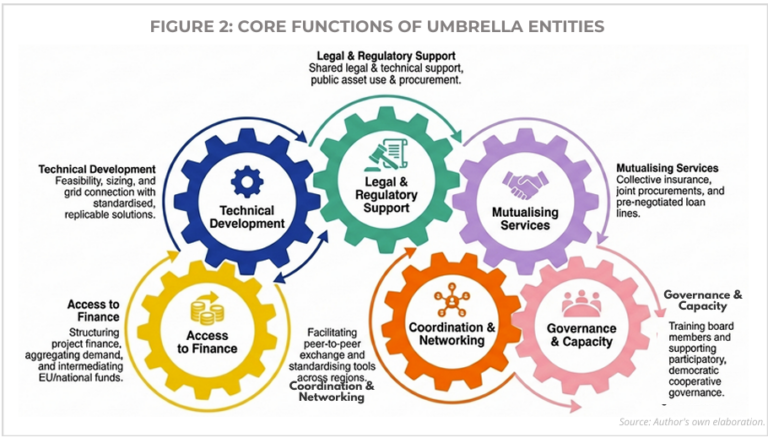
Policy Brief 4: Enabling Local Energy: How Umbrella Entities Make Energy Communities Scalable and Replicable
The policy brief explores how umbrella entities such as cooperatives, federations, and support platforms can help local energy communities overcome technical, legal, financial, and governance barriers. Building on the lessons of Catalonia’s OECOOP model, the brief presents practical recommendations to strengthen community energy initiatives through technical assistance, capacity building, coordinated support services, and long-term funding mechanisms. By enhancing collaboration between citizens, municipalities, and energy stakeholders, umbrella entities can accelerate the deployment, replication, and inclusiveness of renewable energy communities across Mediterranean territories.
Full policy brief available here:
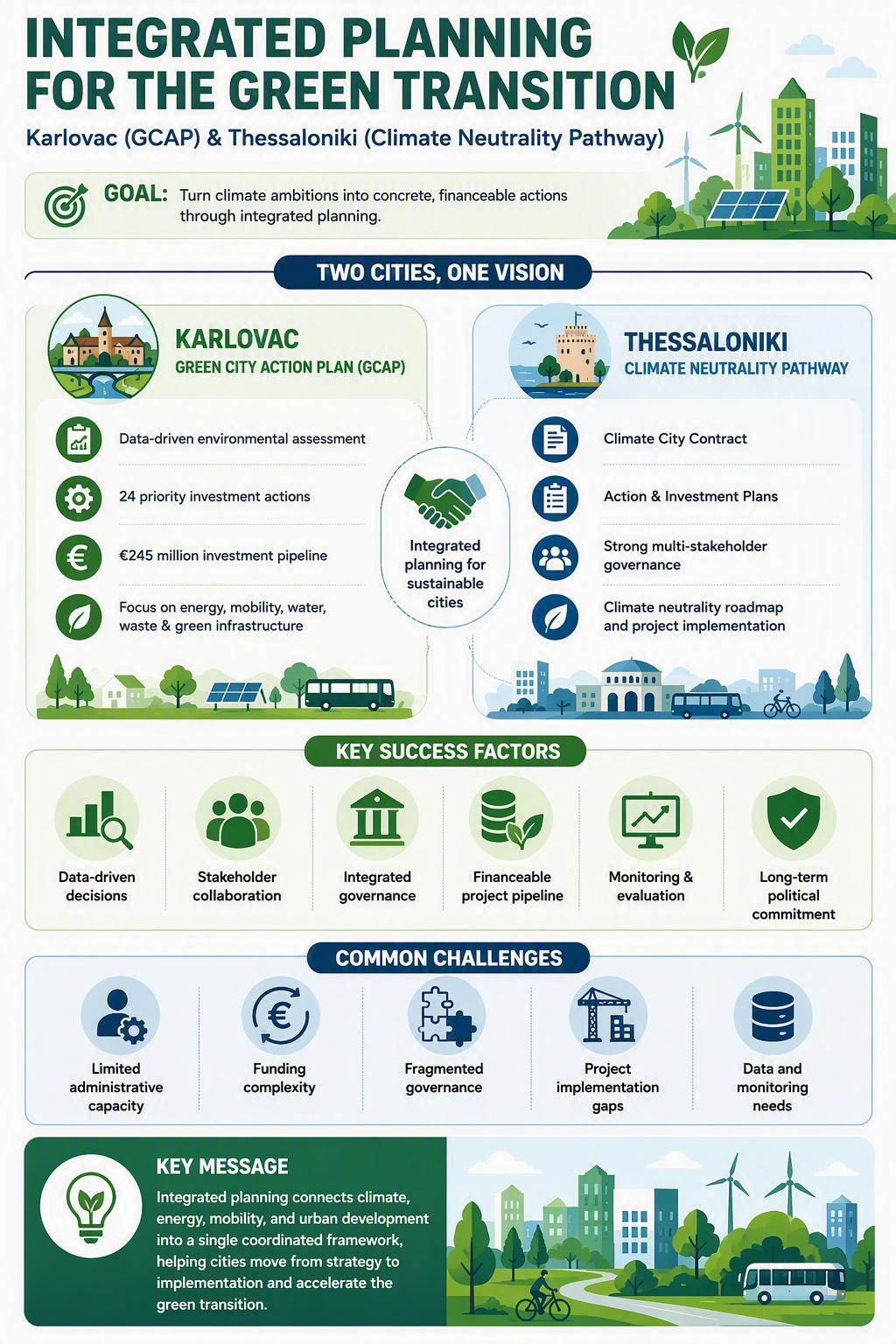
Policy Brief 5: Integrated Planning for the Green Transition: Karlovac (Green City Action Plan) and Thessaloniki (Climate Neutrality Pathway)
The policy brief highlights how integrated, cross-sectoral planning can help cities accelerate their transition towards climate neutrality and sustainable development. Drawing on the experiences of Karlovac and Thessaloniki, the brief showcases how data-driven decision-making, multi-level governance, stakeholder collaboration, and structured investment pipelines can transform environmental ambitions into concrete actions. It provides practical recommendations for cities seeking to strengthen policy coherence, improve implementation capacity, and develop integrated planning frameworks that support climate resilience, sustainable mobility, energy transition, and long-term urban sustainability.
Full policy brief available here:
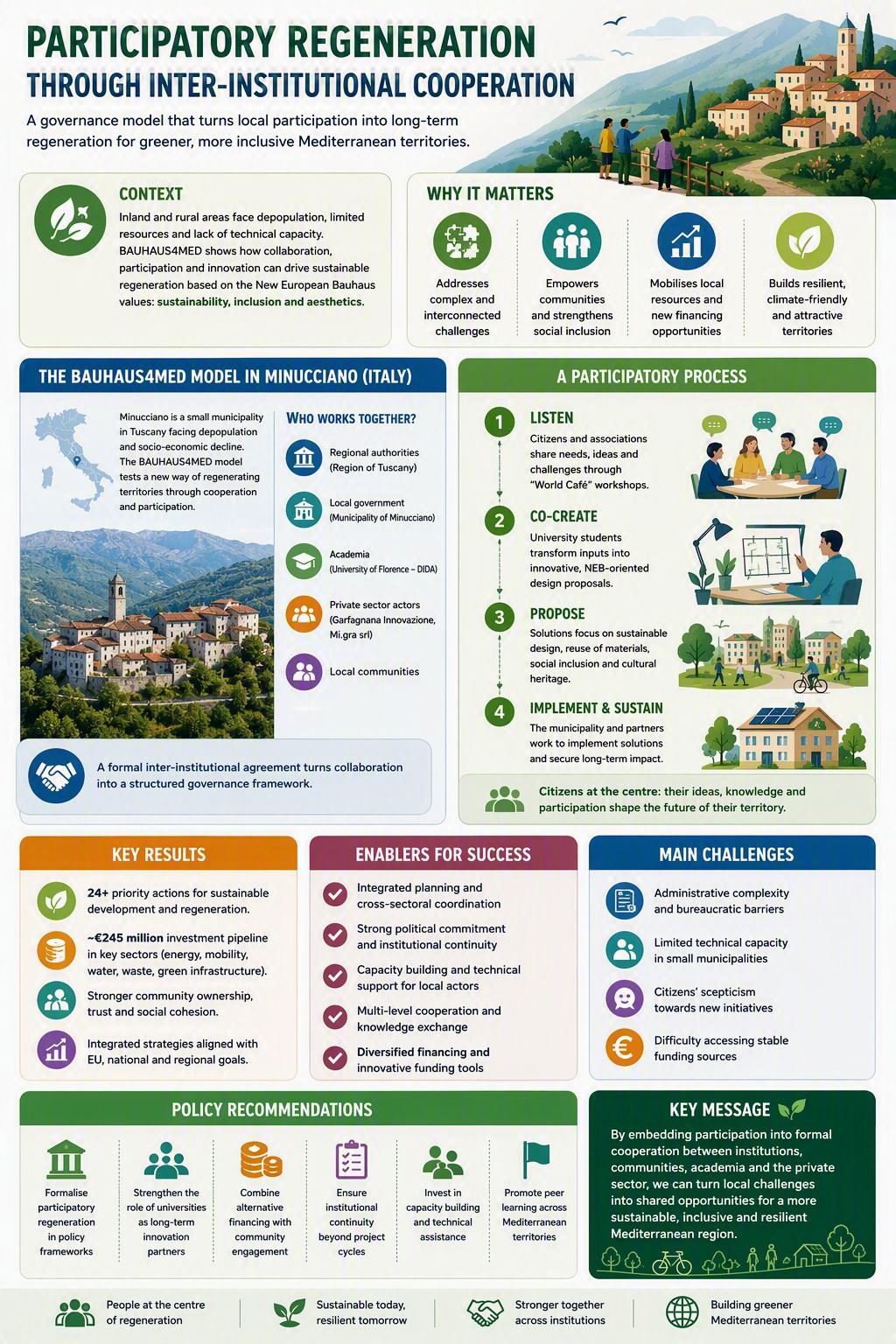
Policy Brief 6: Participatory Regeneration Through Inter-Institutional Cooperation
It presents key lessons from the BAUHAUS4MED model implemented in Minucciano, Italy, demonstrating how participatory regeneration can become a structured governance approach for sustainable territorial development. By bringing together regional and local authorities, universities, private stakeholders, and citizens, the model translates community-driven ideas into long-term regeneration strategies. The brief highlights the importance of inter-institutional cooperation, citizen participation, academic involvement, alternative financing mechanisms, and capacity building in supporting the revitalisation of rural and inland areas facing depopulation, limited resources, and socio-economic challenges. It also provides practical recommendations for replicating and adapting this collaborative approach across Mediterranean territories.
Full policy brief available here:
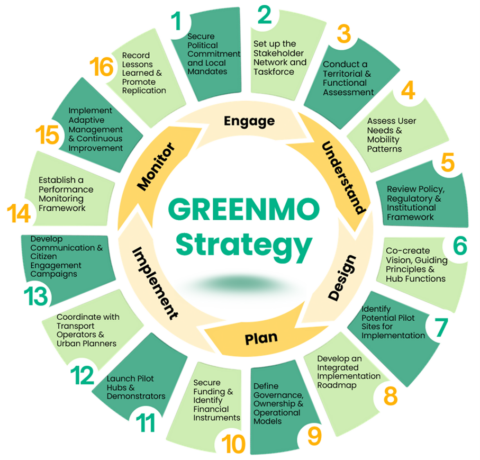
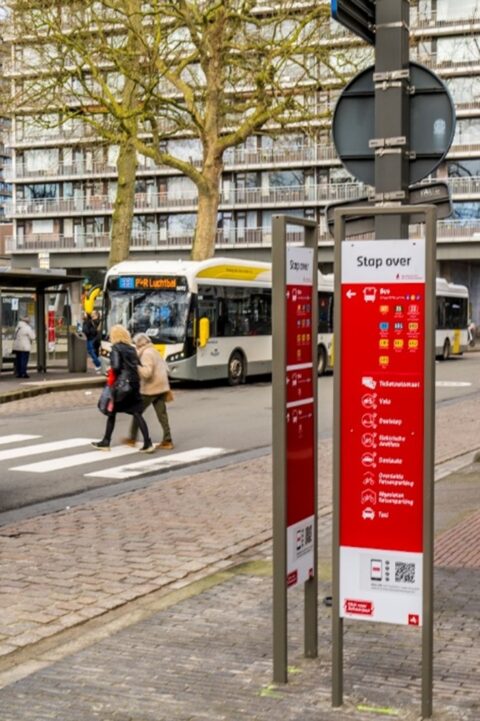
Policy Brief 7: Towards Climate-Resilient Mobility Hubs in the Mediterranean: Lessons from GREENMO and the city of Antwerp.
The policy brief explores how mobility hubs can support more sustainable, inclusive, and climate-resilient transport systems across Mediterranean territories. Drawing on the GREENMO Strategy and Antwerp’s Smart Links initiative, the brief provides practical recommendations for designing user-centred, climate-responsive, and multimodal mobility hubs that reduce car dependency, improve connectivity, and enhance accessibility. It highlights the importance of integrated governance, stakeholder cooperation, community engagement, and flexible infrastructure in creating mobility hubs that respond to local needs while contributing to greener and more resilient living areas.
Full policy brief available here:
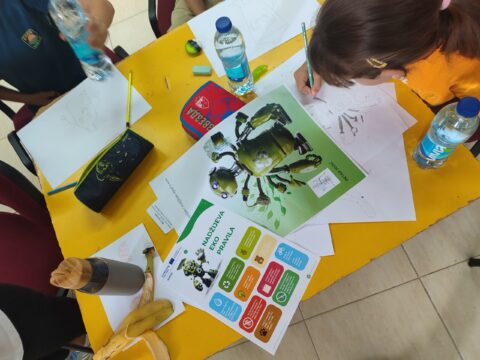
Policy Brief 8: Integrating Behavioural & Cultural Nudges into Mediterranean Climate Governance
complement traditional climate policies by encouraging citizens to adopt more sustainable everyday habits. Building on the experience of the NUDGES project and six pilot actions across the Mediterranean, the brief demonstrates how sensory experiences, local cultural narratives, and participatory approaches can make climate action more tangible, meaningful, and effective. It provides practical recommendations for integrating behavioural and cultural nudges into climate strategies, strengthening citizen engagement, supporting low-cost experimentation, and embedding behavioural innovation within long-term climate governance frameworks.

Full policy brief available here: