On 13 May 2026, the 1st Multi-Programme Projects Energy Dialogue, organised by RESt4GREEN project and hosted by ECOPARK, brought together more than 100 Mediterranean stakeholders to explore practical solutions for clean energy, energy efficiency and sustainability. Labelled as a Sustainable Energy Day under #EUSEW2026, the event created a valuable space to connect project results with emerging policy priorities.
The agenda featured 26 speakers across the opening session and four thematic sessions, all moderated by Ms. Sonia Torkhani.
The opening remarks were handled by distinguished representatives of key institutions and programmes:
- Nada LACHAAL, CEO of Management Company of Technopark Borj Cedria
- Marco STELLA, Head of the Economic Section, Delegation of the European Union in Tunisia
- Alejandro LAFARGA, Programme Officer, NEXT MED Programme
- Sophie SCARVELI, Project Unit Manager, Interreg Euro-MED Programme
- Fethi BEN MIMOUN, Ministry of Economy and Planning, National Authority Interreg Next MED/Interreg Next Italy-Tunisia
- Nafaa BACCARI, General Director of the National Agency for Energy Management
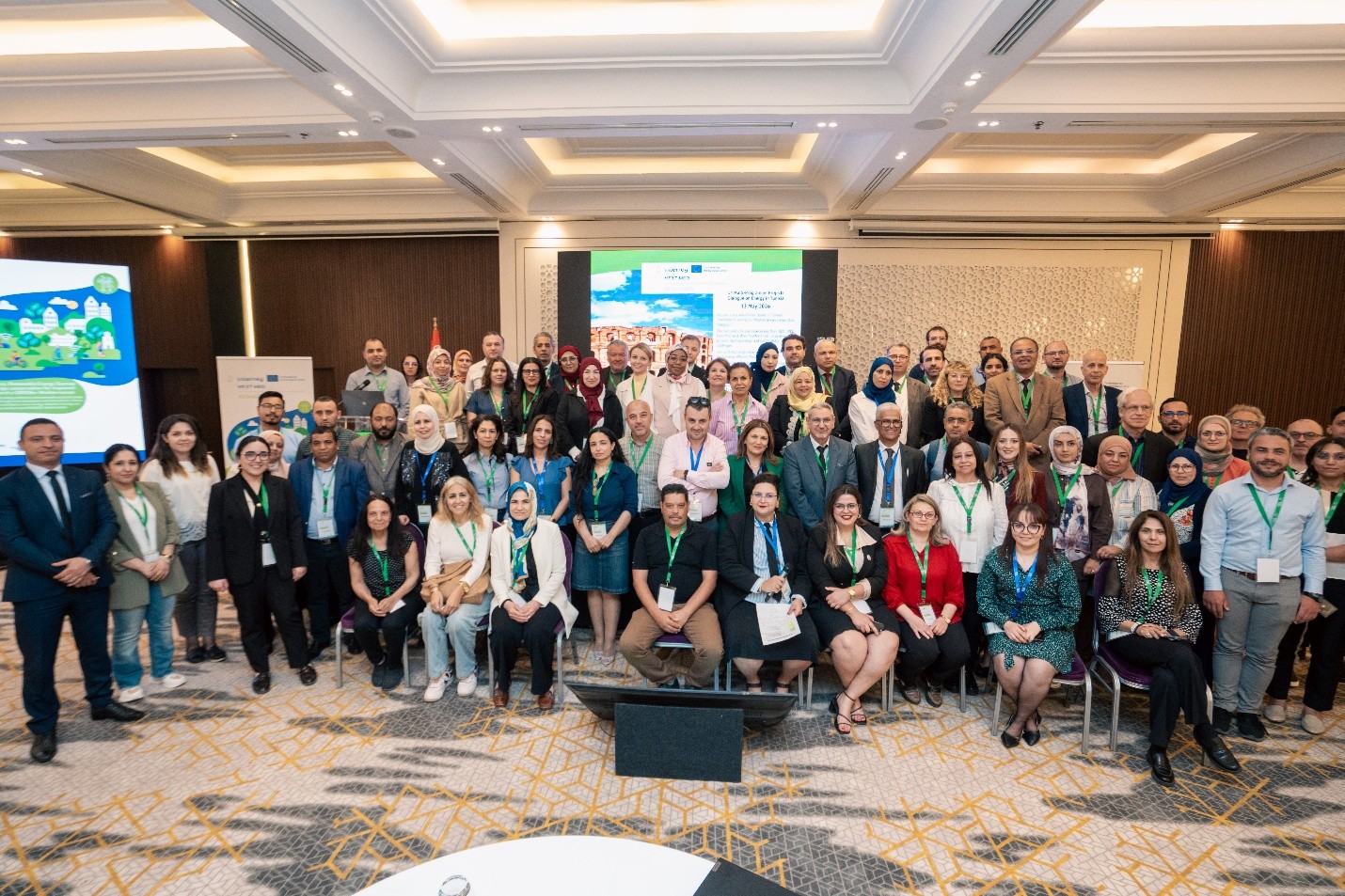 During the event, participants shared insights from Mediterranean cooperation projects, discussed challenges and opportunities related to the energy transition, and explored how project results can support policy development and behavioural change across the region. The discussions highlighted the importance of stronger cooperation, knowledge sharing and multi-level dialogue in building a more cohesive, resilient and sustainable Mediterranean cooperation landscape.
The speakers were representatives of 6 ongoing programme frameworks, including Interreg NEXT MED, Interreg Euro-MED, Interreg NEXT Italy-Tunisia, Interreg IPA ADRION, Horizon Europe and LIFE, alongside the closed but still impactful ENI CBC MED Programme, and showcased 28 projects and initiatives working across energy transition, climate resilience, sustainable cities, circular economy, coastal transition and environmental governance.
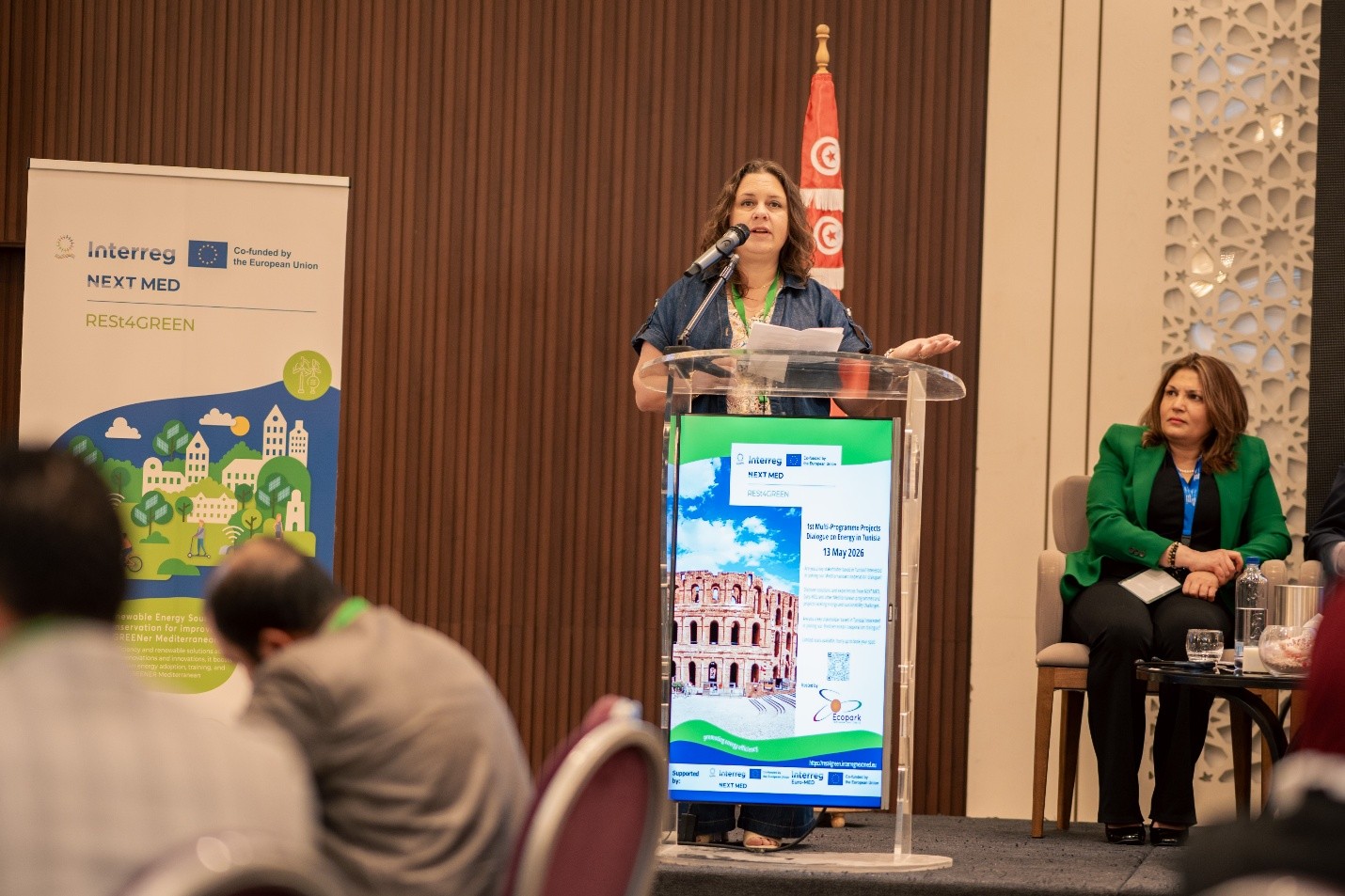 Ms Sophie Scarveli presented the programme’s structure, highlighting the important role of its governance projects. She also welcomed the initiative of Dialogue4LivingAreas to showcase the transferability potential of energy-related thematic projects that actively participated in the event, helping to increase the visibility of their results across the Southern Mediterranean.
The Interreg Euro-MED Programme also contributed to several thematic sessions, demonstrating the added value of Mediterranean cooperation in advancing the energy and climate transition.
Euro-MED participation began in Session 1: Governance and Policy Frameworks for Mediterranean Energy and Climate Transition, where the focus was on governance structures, policy tools and institutional cooperation mechanisms supporting the green transition in Mediterranean territories. Marina KOUTA, from the University of Patras, presented Dialogue4LivingAreas with the contribution “From Dialogue to Impact: Shaping the Energy Transition Together”, highlighting the importance of dialogue, knowledge transfer and capitalisation in transforming project results into practical impact.
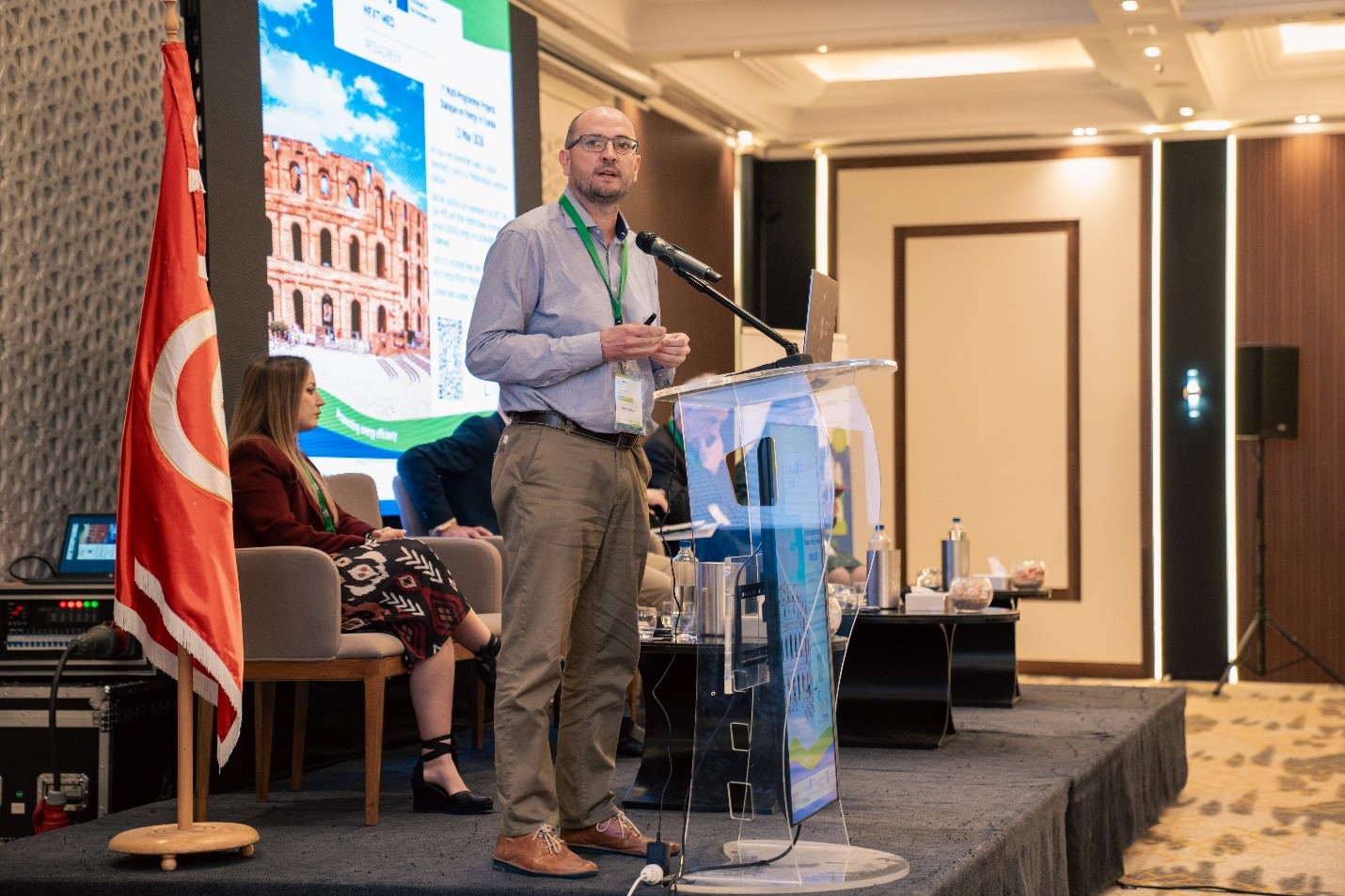 In the same session, Francesco FILIPPI, from Musol Foundation, presented LOGREENER and its integral toolkit to support local authorities in planning their local energy transition. The presentation underlined how Euro-MED thematic projects can provide practical tools and methodologies to help municipalities and regional authorities design more effective energy transition strategies.
LOGREENER will also be involved in the European Sustainable Energy Week 2026 with the session “Rebuilding Mediterranean cities together: community engagement and innovative finance for climate neutrality“. This session is a collaboration between Dialogue4LivingAreas and the North-West Croatia Regional Energy and Climate Agency, bringing together LOGREENER, INFIRE and EnerCmed. It is a reflection of a strong joint effort to design an impactful dialogue around climate-neutral cities, community engagement and innovative financing approaches for the Mediterranean region.
On the topic of INFIRE, Hrvoje MARAS and Miljenko SEDLAR, well-represented the project, focusing on socioeconomic and financial evaluation tools, as well as innovative financing models, addressing one of the key challenges for local and regional authorities to turn climate and energy ambitions into bankable and implementable actions.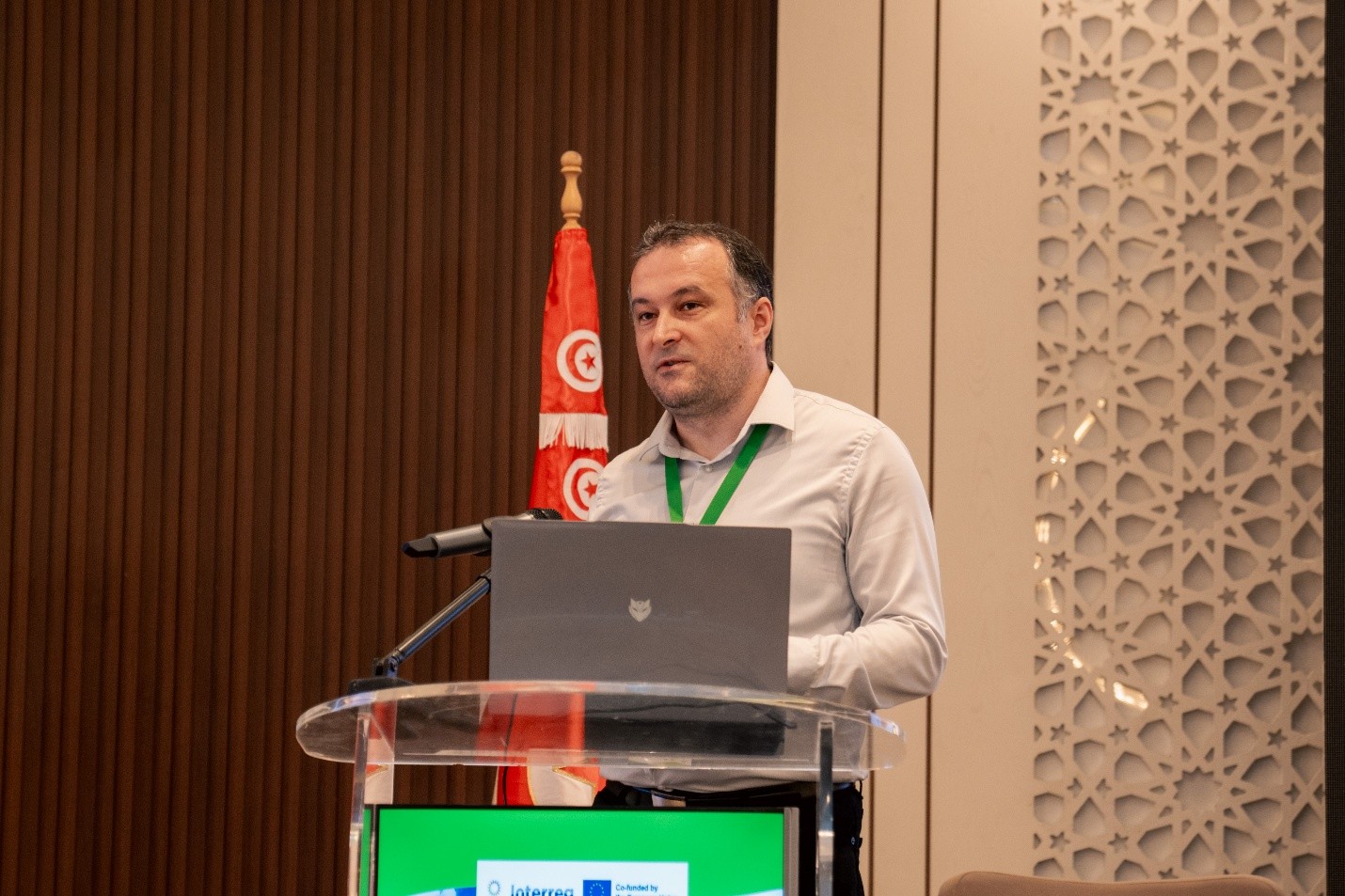
Mr. Miljenko SEDLAR also presented key Horizon Europe and LIFE initiatives shaping the future of climate policy in Europe, including AdaptationHubs, NECPlatform and NetZeroCities. His intervention, titled “Strengthening Multilevel Governance for Climate Policies in Europe,” highlighted the importance of coordinated action between different levels of governance to support effective climate policy design and implementation.
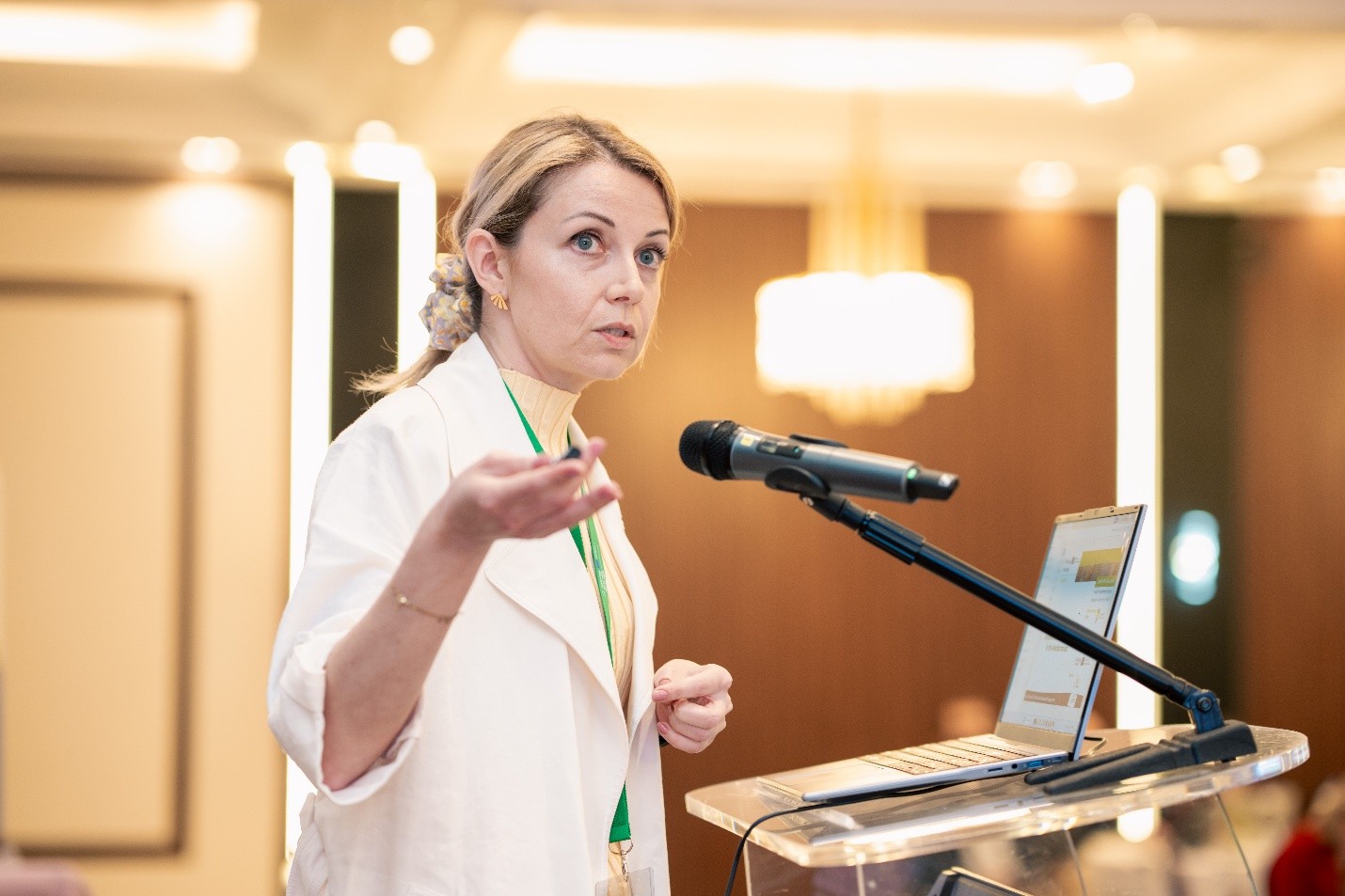 Ms. Mary KRIMNIANIOTI, from the Region of Western Greece, presented Community4LivingAreas of the Green Living Areas Mission. Her presentation introduced the Ecosystemic Transition Hub, a tool designed to support local authorities in planning and implementing the green transition in their territories, while fostering cooperation among projects, institutions and territorial actors.
Mr. Alberto Cozzi, from the Port Network Authority of the Eastern Adriatic Sea – Ports of Trieste and Monfalcone, presented RENEWPORT, funded under the Interreg Euro-MED Programme, together with ADRIREC under Interreg IPA ADRION.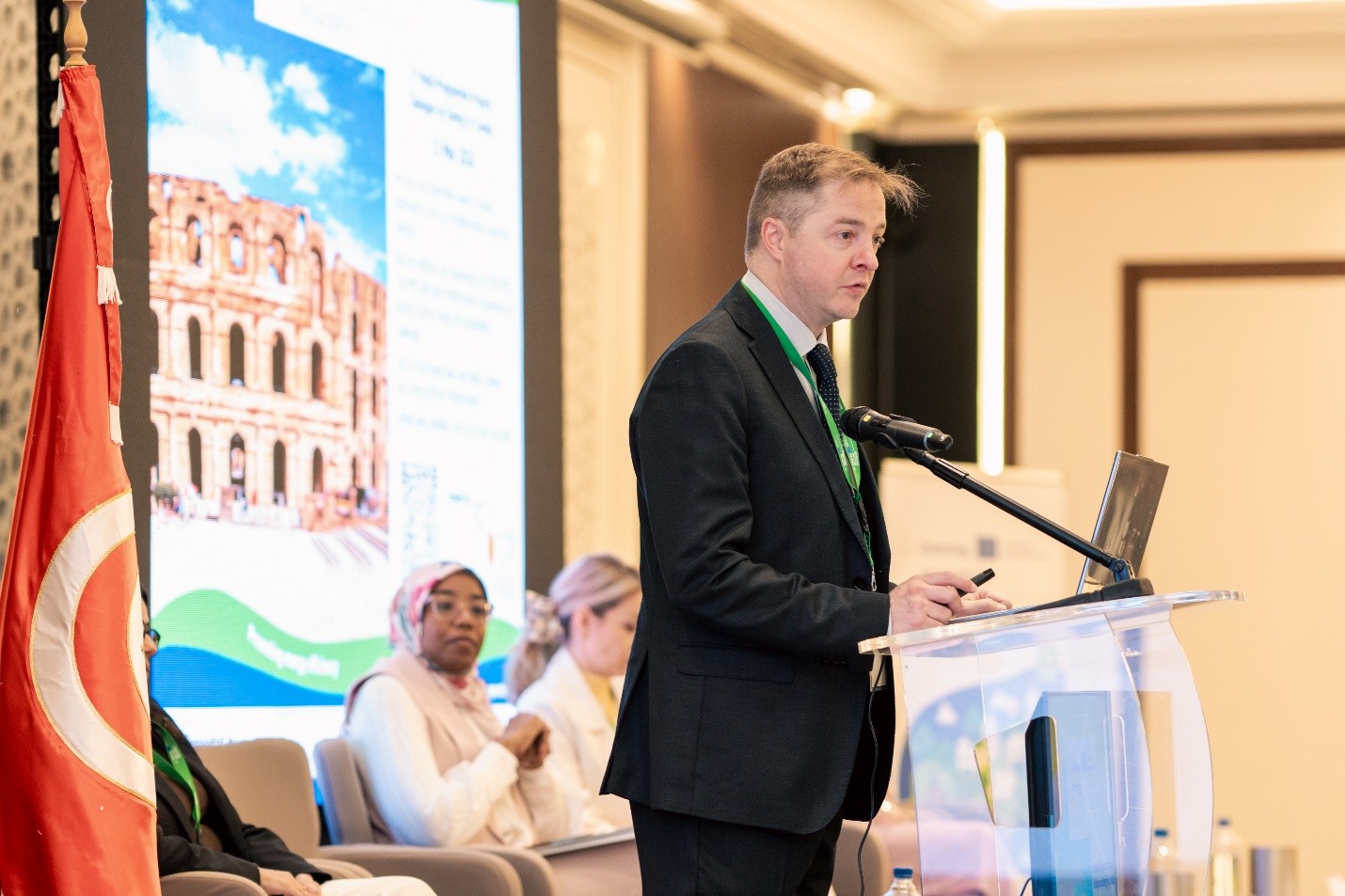
Regarding RENEWPORT, his intervention highlighted the role of ports as key actors in the Mediterranean energy transition. The presentation addressed how renewable energy planning can support the decarbonisation of port areas, improve energy efficiency, and promote more sustainable port operations.
Both projects (RENEWPORT and ADRIREC) were presented as an important example of how cooperation projects can help ports move towards cleaner energy systems, while exploring the potential of energy communities for ports.
Mr. Francesco FILIPPI, presented NUDGES through the contribution “Behavioural Approaches for Climate-Resilient Mediterranean Societies”, highlighting the importance of citizen engagement and behavioural change in building more climate-resilient communities across the Mediterranean.
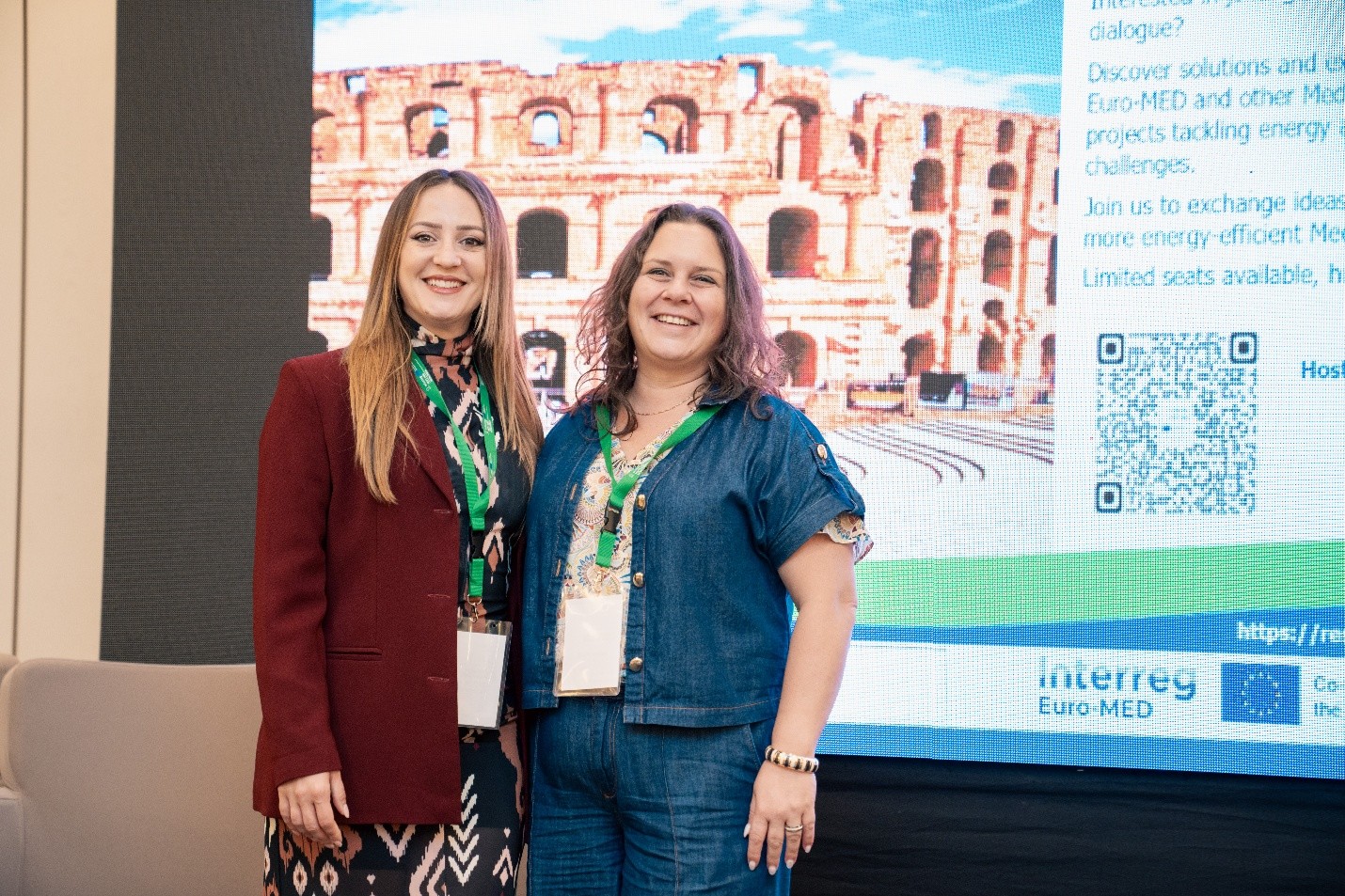 From dialogue and policy alignment to planning tools, financing models, ecosystemic transition support and behavioural approaches, Euro-MED projects demonstrated their potential to support local authorities, strengthen multi-level governance and increase the visibility and transferability of project results across the Mediterranean, including the Southern Mediterranean region.
Want to learn more about the event? Visit the RESt4GREEN website for more information.